

Smart, Cost-Saving Ways to Turn Your Basement Into Usable Space
Finishing a basement on a budget is possible if you plan well, choose simple materials, and focus on function over fancy details. You do not need high-end finishes to create a clean, comfortable space. With smart design choices and careful spending, you can turn an unused basement into a family room, home office, or guest area without draining your savings.
What You Need Before Starting
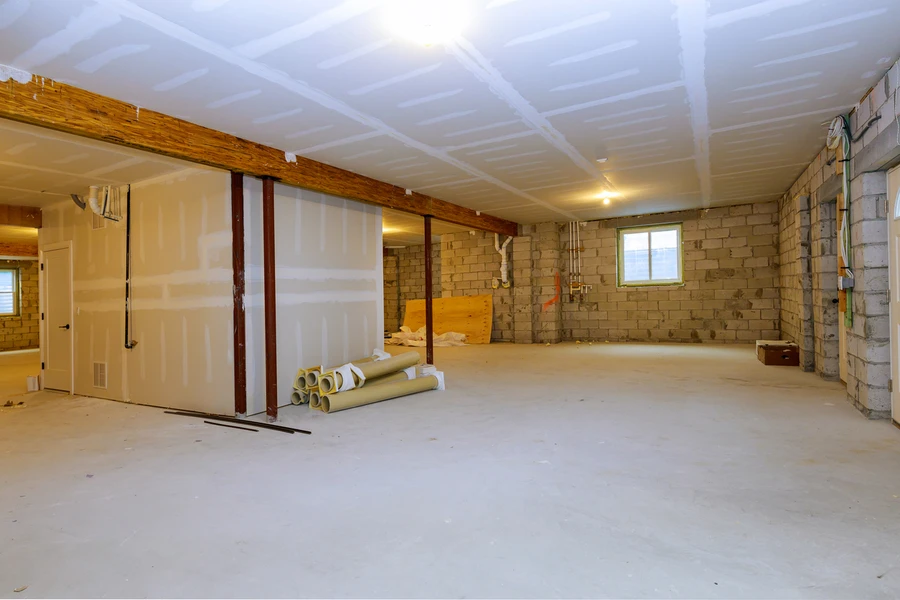
Before you start any basement remodeling project, check the basics. A basement must be dry, safe, and up to code. Fix water leaks, seal cracks, and test for moisture. If your basement has damp walls or musty smells, solve that first. Paint and flooring will not last if water is still getting in.
Next, set a clear budget. Decide how much you can spend and leave a small cushion for surprises. Basements often hide small issues like uneven floors or outdated wiring.
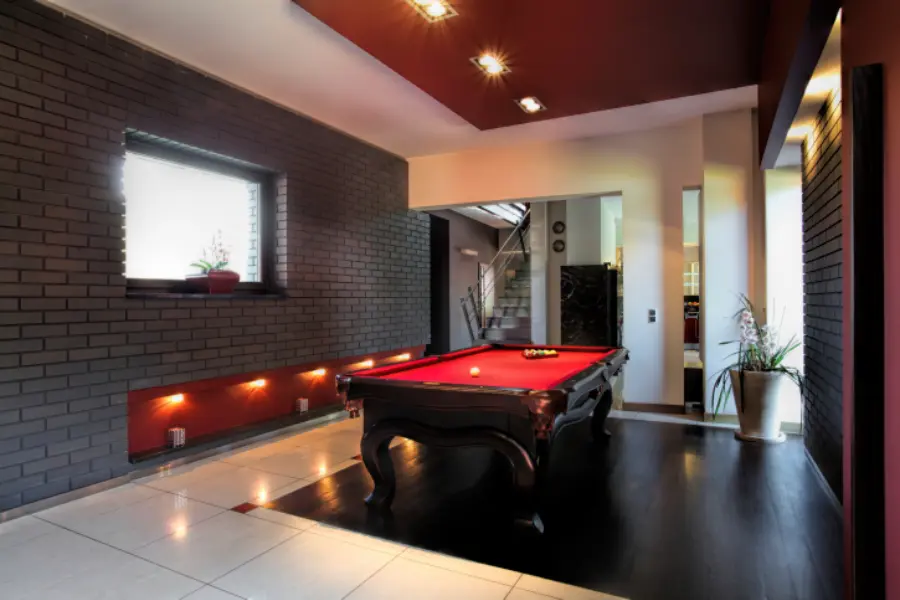
Finally, define the purpose of the space. Ask yourself:
- Will this be a playroom, office, or rental unit?
- Do I need a bathroom?
- How much storage should stay?
A simple plan helps you avoid costly changes later.
Step-by-Step Process to Finish on a Budget
Once you have a plan, follow these steps to control costs and stay organized.
- Clean and prep the space. Remove clutter. Repair cracks. Seal the walls to block moisture.
- Paint the ceiling instead of replacing it. An open ceiling painted black or white saves thousands compared to a full drop ceiling.
- Choose simple wall options. Basic drywall is affordable and looks clean. If framing is already there, you save even more.
- Pick cost-friendly flooring. Luxury vinyl plank or sealed concrete works well in basements and resists moisture.
- Upgrade lighting. Good lighting makes a basement feel bigger. Use recessed lights or bright LED fixtures.
- Reuse what you can. Old doors, trim, or cabinets can often be reused with fresh paint.
Small upgrades like wide baseboards or modern light fixtures can make the space feel finished without a high price tag.
Common Mistakes to Avoid
Going too cheap in the wrong areas can cost more later. Avoid these common errors:
- Ignoring moisture problems before starting
- Installing carpet in a damp basement
- Skipping permits when adding electrical or plumbing
- Overbuilding for the neighborhood
Another mistake is making the layout too complex. Moving plumbing for a bathroom or kitchen area adds major cost. If you want to save money, design around existing pipes and drains.
Some homeowners also spend too much on custom features. Built-in shelves and detailed trim look great, but they are not required for a cozy, usable room.
When to Call a Professional
While painting and simple flooring can be DIY-friendly, some parts of basement remodeling are better left to professionals. Electrical work, structural framing, and plumbing changes should follow safety codes.
If your basement has low ceilings, foundation cracks, or signs of water seepage, get expert advice before you move forward. Fixing structural issues after finishing the space is much more expensive.
A contractor can also help you phase the project. You might complete framing and electrical first, then finish floors and trim later. This spreads out costs while keeping the project on track.
Final Recommendation and Next Steps
Finishing your basement on a budget starts with smart priorities. Focus on dryness, lighting, and simple finishes. Keep the design clean and flexible. A well-planned basement remodeling project does not need luxury materials to feel comfortable and valuable.
If you live in Urbana, IL and want help creating a cost-effective basement plan, we can guide you through practical options that fit your goals. At Mennenga Construction Inc., we focus on smart design and honest recommendations, and we are happy to discuss your ideas and budget. Call (217) 366-2578 to schedule a consultation and let us help you make the most of your space.