

Key Steps to Plan, Budget, and Build the Right Way
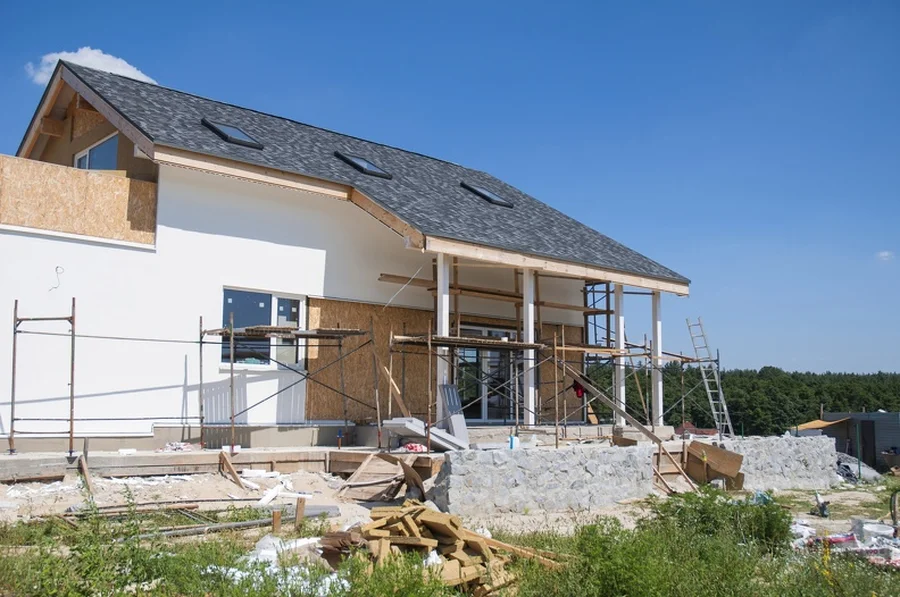
Before starting a home addition, you need a clear budget, a solid design, and a plan for permits and timelines. Home additions are major projects. They affect your structure, utilities, and daily life. The more you prepare upfront, the smoother the project will go. Rushing into it without a plan can lead to delays, extra costs, and stress you did not expect.
What You Need Before You Start
Start with a goal. Do you need more bedrooms? A larger kitchen? A home office? Your reason will shape the design and cost. Think about how long you plan to stay in the home. A large addition makes more sense if this is your long-term space.
You also need:
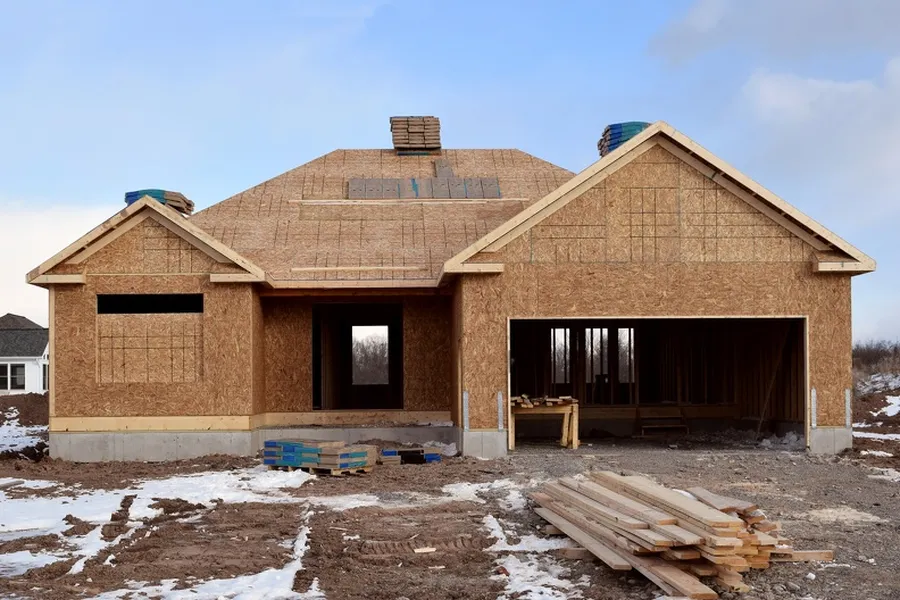
- A realistic budget with a cushion for surprises
- A basic layout idea or sketch
- Knowledge of local building codes and permits
- An understanding of how the new space connects to plumbing, HVAC, and electrical systems
If you are working with a contractor, they can guide you through these steps. If you plan to manage parts of the home improvement yourself, research is key. Even small additions must meet safety standards.
Step-by-Step Process for Home Additions
Large projects feel less stressful when you break them into clear steps. Most home additions follow this path:
- Define your goal and budget.
- Meet with a designer or contractor to draft plans.
- Submit plans for permits and approvals.
- Finalize materials and timeline.
- Prepare your home for construction.
- Begin construction, inspections, and final walkthrough.
Permits often take longer than people expect. Inspections are also required at certain stages. Skipping permits can cause fines or problems when you sell your home. Always build the right way from the start.
Common Mistakes to Avoid
One common mistake is underestimating cost. Materials, labor, and permits add up fast. Prices can also change during the project. Always set aside extra funds for unexpected issues like hidden water damage or outdated wiring.
Another mistake is ignoring how the addition blends with the existing structure. The new area should match your roofline, siding, and interior flow. A mismatched design can lower resale value.
People also forget about daily life during construction. Parts of your home may be blocked off. There will be noise and dust. Plan ahead if you need temporary kitchen access or extra storage.
When to Call a Professional
Small cosmetic updates are one thing. Structural changes are another. If your addition requires moving load-bearing walls, extending plumbing lines, or upgrading your electrical panel, professional help is the safe choice.
Contractors and licensed trades handle:
- Foundation work
- Framing and roofing
- Major plumbing extensions
- Electrical panel upgrades
- HVAC expansion
They also coordinate inspections and meet building code requirements. A skilled team can spot issues early and fix them before they grow into bigger problems.
How a Home Addition Affects Value
Most well-planned home additions increase property value. Extra square footage is often attractive to buyers. Bedrooms, bathrooms, and expanded kitchens usually offer the strongest return.
Still, not every project pays off the same way. If you add too much space for your neighborhood, you may not recover the full cost. Research nearby homes before finalizing your plans. Compare home size and features to see what makes sense.
Style also matters. Choose neutral finishes if resale is a goal. Highly personal designs may limit your future buyer pool.
Final Recommendation and Next Step
Before starting a project in Urbana, IL, take time to map out your goals, budget, and design. Working with experienced professionals can help prevent costly issues and keep your timeline on track. At Mennenga Construction Inc., we handle home additions from planning to final inspection, and we guide our clients through each phase. If you are thinking about expanding your space, call us at (217) 366-2578 to schedule a consultation and see how we can help bring your vision to life.